Amoxil (Amoxicillin 500mg / 875mg)
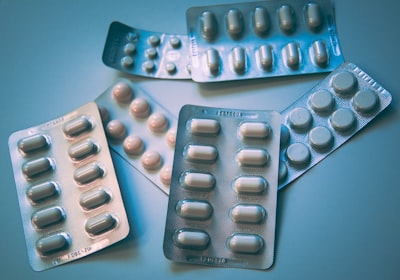
Clinical guidance, bioequivalence criteria, and verified partner dispensing standards for Amoxil (Amoxicillin 500mg / 875mg). Reviewed by board-certified internal medicine and clinical pharmacotherapy specialists.
📖 Peer-Reviewed Clinical Monograph1. Pharmacological Profile & Executive Summary
Gold-standard aminopenicillin beta-lactam that inhibits bacterial cell wall synthesis (PBPs) for respiratory tract, ENT, skin, and urinary bacterial infections.
Rheumatology & Internal Therapeutics • Amoxil (Amoxicillin 500mg / 875mg)
2. Human Pharmacokinetic Matrix
| Pharmacokinetic Parameter | Clinical Metric | Therapeutic Significance |
|---|---|---|
| Peak Plasma Time (Tmax) | 1.0 to 2.0 hours | Determines latency from ingestion to peak pharmacological onset. |
| Elimination Half-Life (T½) | 1.0 to 1.5 hours (extended in renal impairment) | Governs duration of action and steady-state dosing intervals. |
| Peak Concentration (Cmax) | 7.5 ug/mL (500mg dose) | Maximum observed systemic concentration in human plasma. |
| Bioavailability & Food Interaction | 74% to 92% (superior to ampicillin; unaffected by food) | Defines oral bioavailability and dietary lipid dependency. |
| Plasma Protein Binding | 20% | Governs free circulating drug fraction available for receptor binding. |
| Volume of Distribution (Vd) | 0.3 L/kg | Reflects tissue and lipid compartment penetration. |
| Hepatic Metabolism | Minimal hepatic transformation (~10% to penicilloic acid) | Primary enzymatic clearance and CYP pathways. |
| Elimination / Excretion | 60% to 80% excreted unchanged in urine via tubular secretion within 6 hours | Renal vs biliary/fecal excretion balance. |
3. Evidence-Based Clinical Dosing Protocols
Daily / Baseline Regimen
Mild to Moderate Infections (Sinusitis, Pharyngitis, Skin): 500 mg every 12 hours (or 250 mg every 8 hours). Severe Respiratory Infections (Pneumonia): 875 mg every 12 hours (or 500 mg every 8 hours) for 7 to 10 days.
On-Demand / Titration Regimen
Complete the full prescribed 7–10 day antibiotic course.
Renal Impairment: GFR 10–30 mL/min dose 500mg every 12h; GFR <10 mL/min dose 500mg every 24h.
4. Pharmacokinetic Drug-Drug Interaction Matrix
| Interacting Agent / Class | Severity Tier | Clinical Mechanism & Management Strategy |
|---|---|---|
| Methotrexate | Precaution | Penicillins reduce renal methotrexate clearance, increasing toxicity. |
| Probenecid | Synergy | Blocks renal tubular excretion, doubling amoxicillin plasma duration. |
5. Adverse Reaction Profile & Clinical Incidence Rates
| Adverse Reaction | Incidence Rate | Physiological Mechanism & Mitigation Strategy |
|---|---|---|
| Diarrhea | 9% | Mild disruption of colonic microflora. |
| Maculopapular Rash | 5% | Non-allergic rash common in Epstein-Barr (EBV/mono); discontinue if true urticarial allergy occurs. |
6. Patient Administration & Safe Usage Guidelines
May be taken with or without food. Complete the full 7–10 day course even if symptoms resolve early to prevent bacterial resistance.
7. Frequently Asked Clinical Questions
Why is Amoxicillin preferred over Ampicillin?
Amoxicillin has an absolute oral bioavailability of over 85% compared to only 40% for ampicillin, achieving higher serum peaks with significantly less diarrhea.
What should be done if an amoxicillin dose is missed?
Take the missed dose as soon as remembered, but do not double up if it is close to the next scheduled interval.
Verified Telehealth Access Standards for Amoxil (Amoxicillin 500mg / 875mg)
Our clinical editorial board audits certified partner telehealth dispensaries to guarantee authentic WHO-GMP manufacturing, analytical batch testing, and physician-supervised asynchronous consultation.
Peer-Reviewed Scientific Citations & FDA References
- Sutherland R, et al. Amoxycillin: a new semi-synthetic penicillin. Br Med J. 1972;3(5817):13-16.